
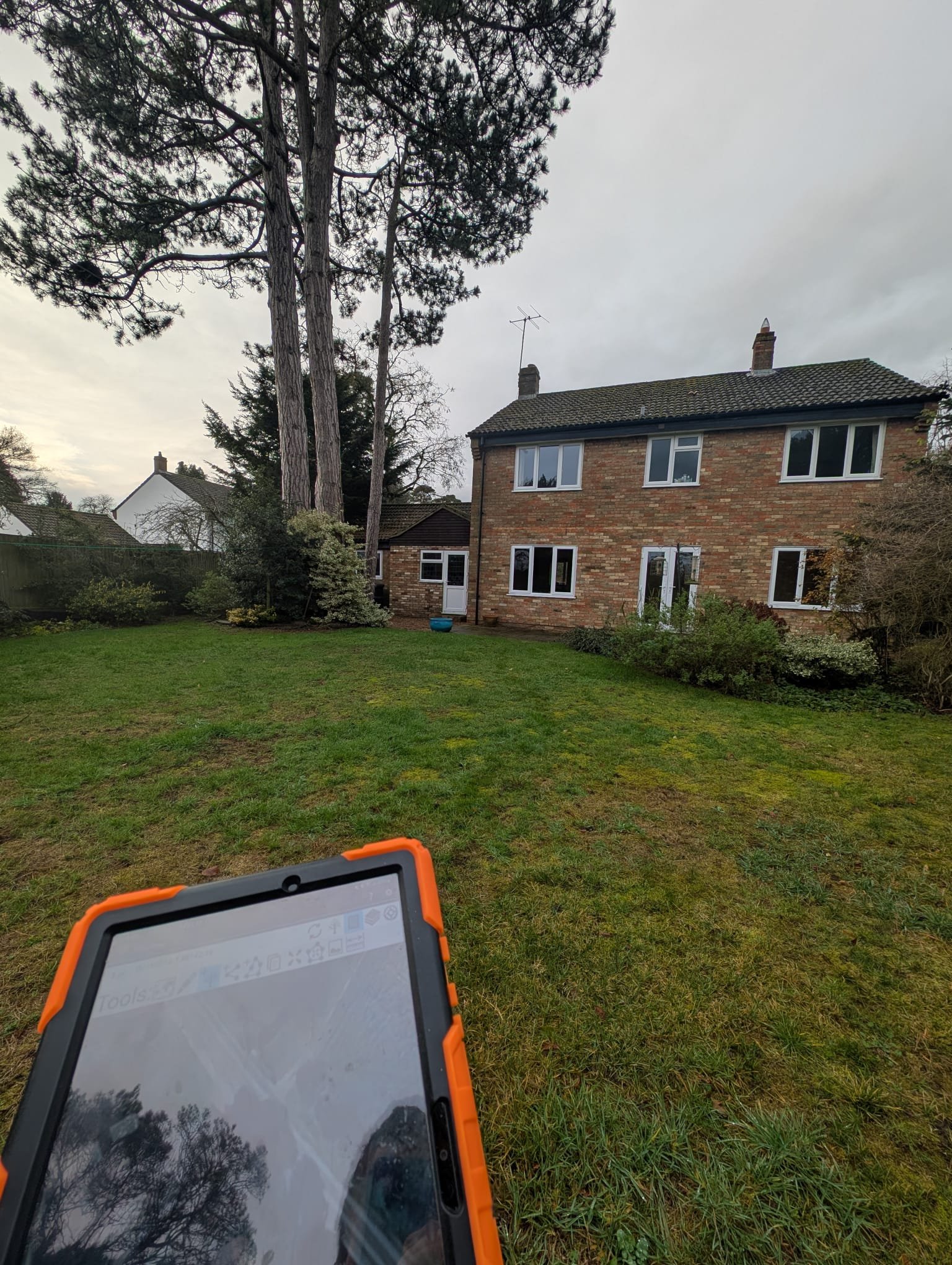
Tree Mortgage Report Chesterfield?
Looking for a Tree Mortgage Report Chesterfield?
What Is a Tree Mortgage Report?
A tree mortgage report — also called a mortgage tree survey, home-buyer tree report or arboricultural mortgage report — is a specialist inspection and assessment of trees on or near a property that may affect the building or ground stability.
Lenders, insurers or surveyors may request this report before approving a mortgage if trees are close enough to potentially cause problems. The report helps them understand whether the trees could pose risks that affect the value or safety of the property and, therefore, the security of the loan.
🌳 Why Lenders Ask for a Tree Report
Mortgage lenders want reassurance that a property is a sound investment. Certain trees — especially large ones near foundations, drains, patios or pathways — can:
Cause or contribute to subsidence (ground movement due to root water uptake especially on clay soils)
Damage structures through roots or falling branches
Affect drains, pavements and boundary walls
Impact future maintenance costs or insurance eligibility
Result in legal or planning constraints (e.g., Tree Preservation Orders)
The tree mortgage report gives lenders evidence about the degree of risk — low, moderate or high — associated with tree presence, helping prevent delays or additional conditions in the mortgage process.
🔍 What’s Included in a Tree Mortgage Report
A comprehensive report typically includes:
Inspection of all trees within influencing distance — both on and near the property
Tree species, size, age and condition
Risk assessment for direct damage (roots on structures, driveways)
Assessment of indirect risks such as subsidence risks linked to soil and root interaction
Soil and foundation context (if relevant) — sometimes coordinated with structural advice
Practical recommendations — like pruning, ongoing monitoring, or no action if risk is low
Clear risk conclusion formatted for lender/insurer use
These reports are tailored to meet lender requirements, not just general tree health notes — meaning they’re written in a way banks and insurers will accept without extra follow-ups.
📝 How It Helps You in a Mortgage Process
A tree report can:
✅ Unlock a mortgage offer that was conditional on tree risk
✅ Prevent delays in conveyancing or loan approval
✅ Show any necessary maintenance or mitigation early
✅ Support negotiation on price or conditions if risk is identified
✅ Give peace of mind about future tree issues
Sometimes lenders will flag tree risks after a valuation or survey, so having a pre-emptive tree mortgage report can smooth the buying process.
What Is a Tree Mortgage Report?
A tree mortgage report — also called a mortgage tree survey, home-buyer tree report or arboricultural mortgage report — is a specialist inspection and assessment of trees on or near a property that may affect the building or ground stability.
Lenders, insurers or surveyors may request this report before approving a mortgage if trees are close enough to potentially cause problems. The report helps them understand whether the trees could pose risks that affect the value or safety of the property and, therefore, the security of the loan.
Why do Lenders Ask for a Tree Report
Mortgage lenders want reassurance that a property is a sound investment. Certain trees — especially large ones near foundations, drains, patios or pathways — can:
Cause or contribute to subsidence (ground movement due to root water uptake especially on clay soils)
Damage structures through roots or falling branches
Affect drains, pavements and boundary walls
Impact future maintenance costs or insurance eligibility
Result in legal or planning constraints (e.g., Tree Preservation Orders)
The tree mortgage report gives lenders evidence about the degree of risk — low, moderate or high — associated with tree presence, helping prevent delays or additional conditions in the mortgage process.
What’s Included in a Tree Mortgage Report?
A comprehensive report typically includes:
Inspection of all trees within influencing distance — both on and near the property
Tree species, size, age and condition
Risk assessment for direct damage (roots on structures, driveways)
Assessment of indirect risks such as subsidence risks linked to soil and root interaction
Soil and foundation context (if relevant) — sometimes coordinated with structural advice
Practical recommendations — like pruning, ongoing monitoring, or no action if risk is low
Clear risk conclusion formatted for lender/insurer use
These reports are tailored to meet lender requirements, not just general tree health notes — meaning they’re written in a way banks and insurers will accept without extra follow-ups.
How It Helps You in a Mortgage Process
A tree report can:
✅ Unlock a mortgage offer that was conditional on tree risk
✅ Prevent delays in conveyancing or loan approval
✅ Show any necessary maintenance or mitigation early
✅ Support negotiation on price or conditions if risk is identified
✅ Give peace of mind about future tree issues
Sometimes lenders will flag tree risks after a valuation or survey, so having a pre-emptive tree mortgage report can smooth the buying process.